Debts included in a bankruptcy should be rated as R-9 or I-9, indicating written-off, and the outstanding balance should be reported as zero. There should also be a note indicating “included in bankruptcy” below the trade line for the corresponding creditor. Debts included in a consumer proposal should be rated as R-7 or I-7 and the outstanding balance should also be reported as zero.
Tag: bankruptcy canada
June 2016 – Personal Bankruptcy & Consumer Proposal Statistics
Canada – Personal bankruptcies were up 0.2% and consumer proposal filings were up 9.4% as compared to the 12-months ended June 30, 2015.
New Brunswick – Personal bankruptcies were down 2% and consumer proposal filings were up 5.9% as compared to the 12-months ended June 30, 2015.
What Is The New Brunswick Personal Property Security Act (PPSA)?
PPSA legislation provides a central registry for filing notices of security interests in personal property, allows both individuals and institutions to record their financial interest in personal property (cars, boats, appliances, etc.). Bankruptcy eliminates all of your unsecured debt such as credit cards, bank loans, tax debts, unpaid bills and payday loans. However, secured debts such as vehicle loans, mortgages and home equity lines of credit are typically not included in a bankruptcy.
Why Would My Trustee Oppose My Bankruptcy Discharge
Your Trustee is required to oppose your discharge if you do not complete specific duties or tasks: complete both mandatory counselling sessions, report you monthly income to the Trustee, sessions, make all agreed upon payments, including voluntary, surplus income, and equity payments. These are only some of the duties that you must complete.
April 2016 – Personal Bankruptcy & Consumer Proposal Statistics
Canada – Personal bankruptcies were down 0.9% and consumer proposal filings were up 8.2% as compared to the 12-months ended April 30, 2015.
New Brunswick – Personal bankruptcies were down 2.6% and consumer proposal filings were up 13.5% as compared to the 12-months ended April 30, 2015.
Personal Bankruptcy in 12 Steps

Recognize the Problem, often the most challenging step as it requires that you admit that you are having financial troubles beyond your control and need help. Contact a Licensed Insolvency Trustee, the Trustee will provide a free confidential consultation and review your financial situation and discuss your options.
March 2016 – Personal Bankruptcy & Consumer Proposal Statistics
Canada – Personal bankruptcies were down 1.1% and consumer proposal filings were up 8.1% as compared to the 12-months ended March 31, 2015.
New Brunswick – Personal bankruptcies were down 5.6% and consumer proposal filings were up 16.3% as compared to the 12-months ended March 31, 2015.
Dealing With Increasing Insolvency Rates
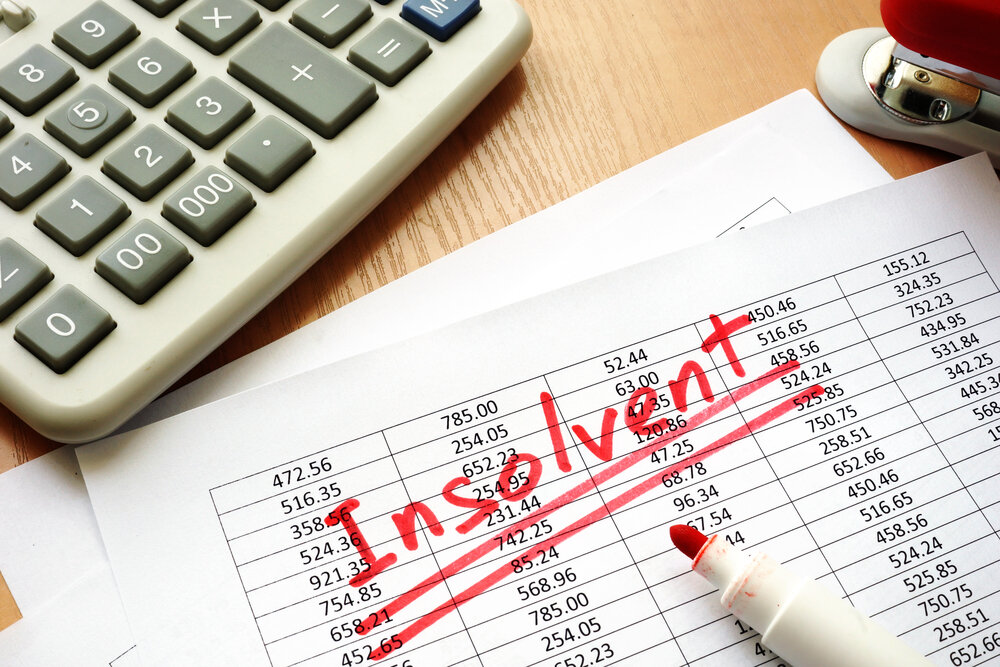
There are lots of factors but, I think the greatest single contributor is the proliferation of easy credit combined with low levels of financial literacy. High debt levels limit financial flexibility and the ability to weather and recover from financial setbacks resulting from job loss, reduced income, illness, separation/divorce, and other life events.
February 2016 – Bankruptcy & Consumer Proposal Statistics
Canada – Personal bankruptcies were down 1% and consumer proposal filings were up 9.5% as compared to the 12-months ended February 28, 2015.
New Brunswick – Personal bankruptcies were down 3.9% and consumer proposal filings were up 19.9% as compared to the 12-months ended February 28, 2015.
The Real Cost of Vehicle Ownership

Think about the cost of ownership before you buy and then think about the cost of use and think ahead to consolidate trips, skip the trip, or car pool with friends and co-workers. The cost of vehicle ownership also needs to be considered when you choose where you live. While the cost of housing may be cheaper here in rural New Brunswick, the cost of the travel can offset the housing cost savings.