
Canada – Personal bankruptcies were up 0.5% and consumer proposal filings were up 8.7% as compared to the 12-months ended October 31, 2015. New Brunswick – Personal bankruptcies were down 1% and consumer proposal filings were up 1.3% as compared to the 12-months ended October 31, 2015.
Category: Consumer Proposals
Bankruptcy: My Name is Still On My Ex-Spouse’s Home

To get your name off of the mortgage, your ex-spouse will have to qualify for the mortgage, on his or her own name, when the mortgage comes up for renewal. Whether or not they qualify is up to their financial institution.
September 2016 – Personal Bankruptcy & Consumer Proposal Statistics
Canada – Personal bankruptcies were up 0.1% and consumer proposal filings were up 9.2% as compared to the 12-months ended September 30, 2015. New Brunswick – Personal bankruptcies were down 3.5% and consumer proposal filings were up 0.4% as compared to the 12-months ended September 30, 2015.
August 2016 – Personal Bankruptcy & Consumer Proposal Statistics
Canada – There was no increase in personal bankruptcies and consumer proposal filings were up 7.2% as compared to the 12-months ended August 31, 2015.
New Brunswick – Personal bankruptcies were down 2.9% and consumer proposal filings were up 1.7% as compared to the 12-months ended August 31, 2015.
Your Credit Report After a Bankruptcy or Consumer Proposal
Debts included in a bankruptcy should be rated as R-9 or I-9, indicating written-off, and the outstanding balance should be reported as zero. There should also be a note indicating “included in bankruptcy” below the trade line for the corresponding creditor. Debts included in a consumer proposal should be rated as R-7 or I-7 and the outstanding balance should also be reported as zero.
Debts Owing to the Canada Revenue Agency
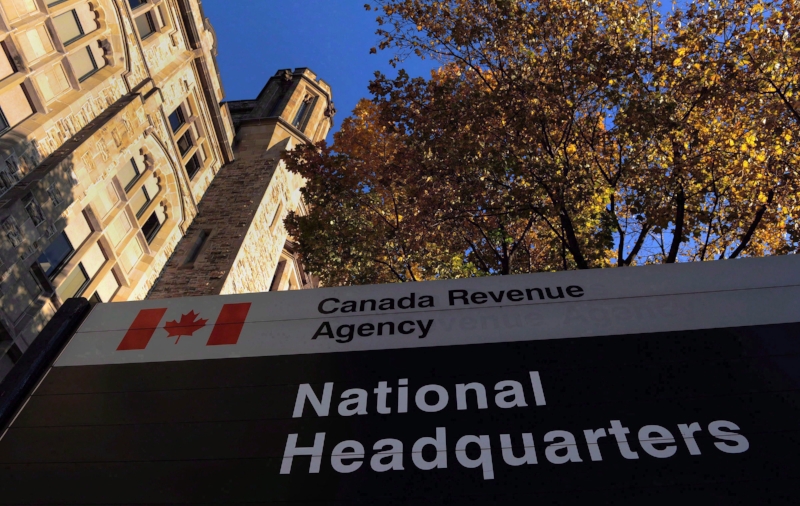
Many people believe that debts owing to CRA will never go away. That is not necessarily the case, particularly when an individual goes bankrupt or files a proposal under the provisions of the Bankruptcy and Insolvency Act (“BIA”). However, prior to file personal bankruptcy or a consumer proposal, CRA has some significant legislated powers to collect debts.; including garnishing paycheques, seizing bank accounts.
June 2016 – Personal Bankruptcy & Consumer Proposal Statistics
Canada – Personal bankruptcies were up 0.2% and consumer proposal filings were up 9.4% as compared to the 12-months ended June 30, 2015.
New Brunswick – Personal bankruptcies were down 2% and consumer proposal filings were up 5.9% as compared to the 12-months ended June 30, 2015.
What Is The New Brunswick Personal Property Security Act (PPSA)?

PPSA legislation provides a central registry for filing notices of security interests in personal property, allows both individuals and institutions to record their financial interest in personal property (cars, boats, appliances, etc.). Bankruptcy eliminates all of your unsecured debt such as credit cards, bank loans, tax debts, unpaid bills and payday loans. However, secured debts such as vehicle loans, mortgages and home equity lines of credit are typically not included in a bankruptcy.
Guaranteed, Co-Signed and Joint Loans

Generally, a co-signor is usually jointly and severally liable for 100% of the debt. This means that, if there is a default, the lender will pursue the primary debtor and the co-signer at the same time and will be happy to collect their entire debt out of whomever they can recover from first.
How to Avoid Bankruptcy

You can’t go bankrupt if you have no debt! Bankruptcy is a relief valve for people and companies who find themselves unable to cope with overwhelming debts. Bankruptcy is not necessarily the only option for resolving debts, but the availability of other options depends on individual circumstances. The sooner you identify and get assistance with your debts, the more options you have.