
The reality is that owning a home can be the root of a myriad of problems, one of which is tied to the 5% down-payment. With mortgage insurance, you can buy a house with only a 5% down-payment. Mortgage insurance is actually required whenever your down-payment is 20% or less of the purchase price.
Category: Debt
Debts Owing to the Canada Revenue Agency
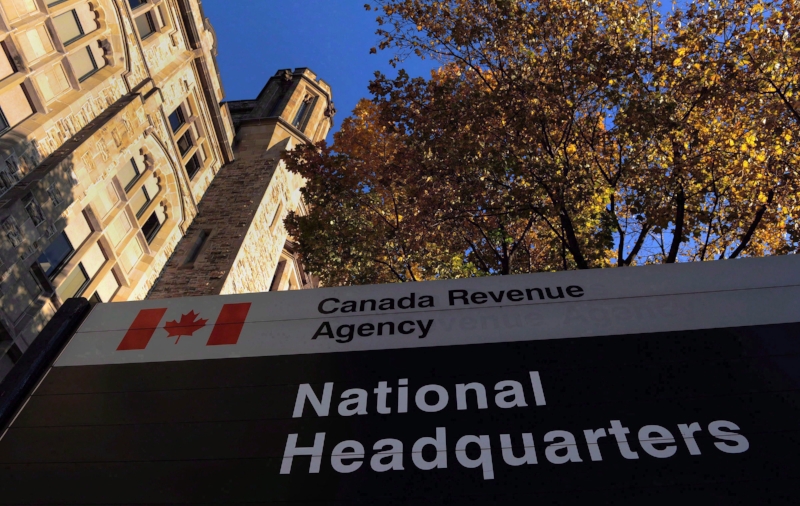
Many people believe that debts owing to CRA will never go away. That is not necessarily the case, particularly when an individual goes bankrupt or files a proposal under the provisions of the Bankruptcy and Insolvency Act (“BIA”). However, prior to file personal bankruptcy or a consumer proposal, CRA has some significant legislated powers to collect debts.; including garnishing paycheques, seizing bank accounts.
What Is The New Brunswick Personal Property Security Act (PPSA)?

PPSA legislation provides a central registry for filing notices of security interests in personal property, allows both individuals and institutions to record their financial interest in personal property (cars, boats, appliances, etc.). Bankruptcy eliminates all of your unsecured debt such as credit cards, bank loans, tax debts, unpaid bills and payday loans. However, secured debts such as vehicle loans, mortgages and home equity lines of credit are typically not included in a bankruptcy.
Guaranteed, Co-Signed and Joint Loans

Generally, a co-signor is usually jointly and severally liable for 100% of the debt. This means that, if there is a default, the lender will pursue the primary debtor and the co-signer at the same time and will be happy to collect their entire debt out of whomever they can recover from first.
How to Avoid Bankruptcy

You can’t go bankrupt if you have no debt! Bankruptcy is a relief valve for people and companies who find themselves unable to cope with overwhelming debts. Bankruptcy is not necessarily the only option for resolving debts, but the availability of other options depends on individual circumstances. The sooner you identify and get assistance with your debts, the more options you have.
Advantages of Filing a Consumer Proposal vs. a Bankruptcy

A consumer proposal can be creative and involve the sale, over time, of assets and payment of all or a portion of the equity in those assets to your creditors. This would allow you to settle your debts through a lump-sum payment instead of having to make monthly payments.
Dealing With Increasing Insolvency Rates
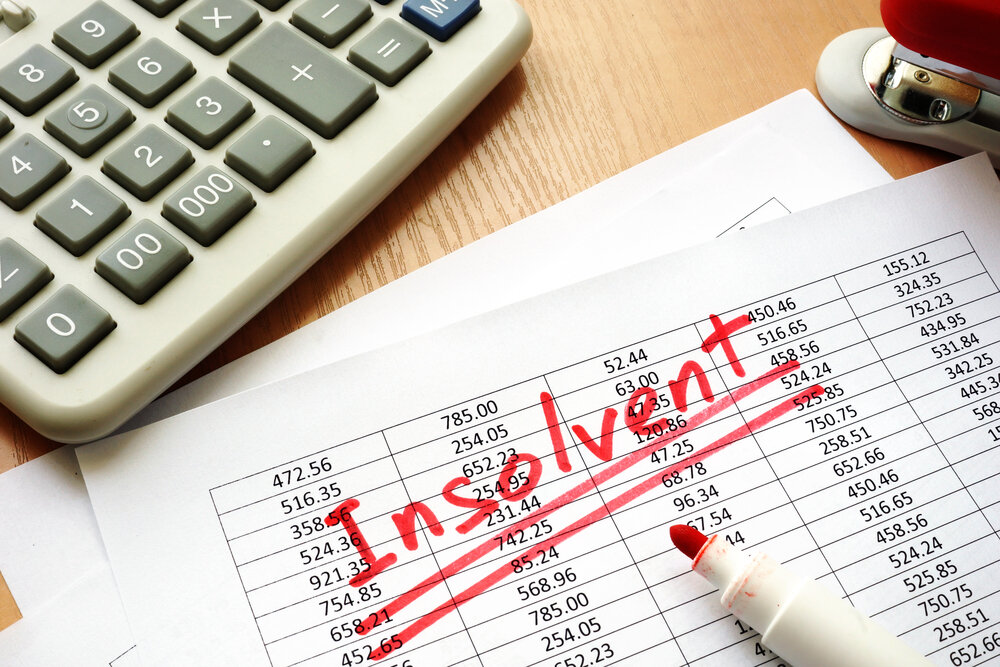
There are lots of factors but, I think the greatest single contributor is the proliferation of easy credit combined with low levels of financial literacy. High debt levels limit financial flexibility and the ability to weather and recover from financial setbacks resulting from job loss, reduced income, illness, separation/divorce, and other life events.
The Real Cost of Vehicle Ownership

Think about the cost of ownership before you buy and then think about the cost of use and think ahead to consolidate trips, skip the trip, or car pool with friends and co-workers. The cost of vehicle ownership also needs to be considered when you choose where you live. While the cost of housing may be cheaper here in rural New Brunswick, the cost of the travel can offset the housing cost savings.
Struggling With Debt Tackle Your Finances Head On

Hiding from the reality of your financial situation will do nothing to improve it. People have a pre-disposition to hide from the truth, particularly when the truth is ugly. Unfortunately, we see this every day.
What Is the Bankruptcy and Insolvency Act (“BIA)

Generally speaking, the BIA is a federal statute that governs bankruptcy, proposal and receiverships in Canada. It provides relief to the honest, but unfortunate debtor from the crushing burden of debt so they can get a fresh start.